Toyota Climat F-C
An example of Toyota climate-data adaptation: temperature displayed in °C on a compatible specification.
We diagnose the CAN bus, select a compatible solution, install it and verify the electronic control units without unnecessary intervention.
We identify the architecture, specification and control-unit versions.
The solution is connected with the factory vehicle logic in mind.
Parameters are programmed for the exact vehicle specification.
We scan for faults and test functions in real operating modes.
CAN networks differ across brands and generations. Correct installation therefore starts with hardware identification and ends with complete diagnostics.
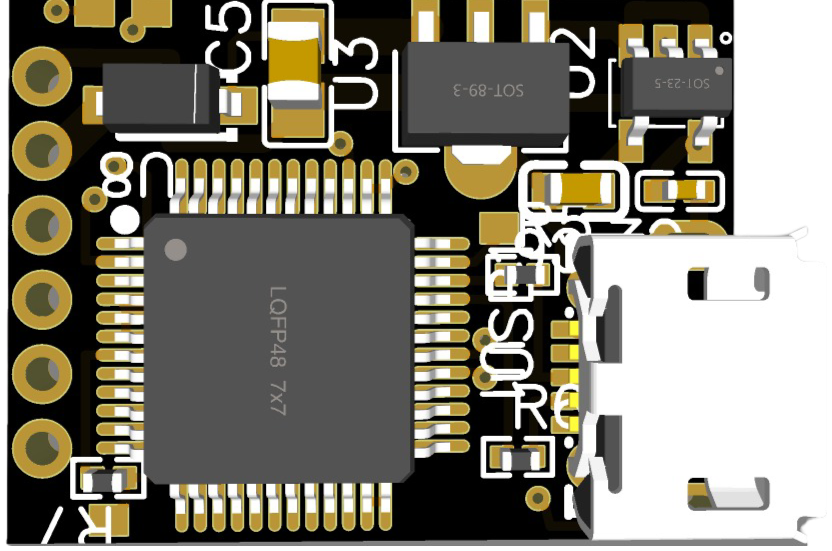
Compact electronics for processing CAN‑bus messages.
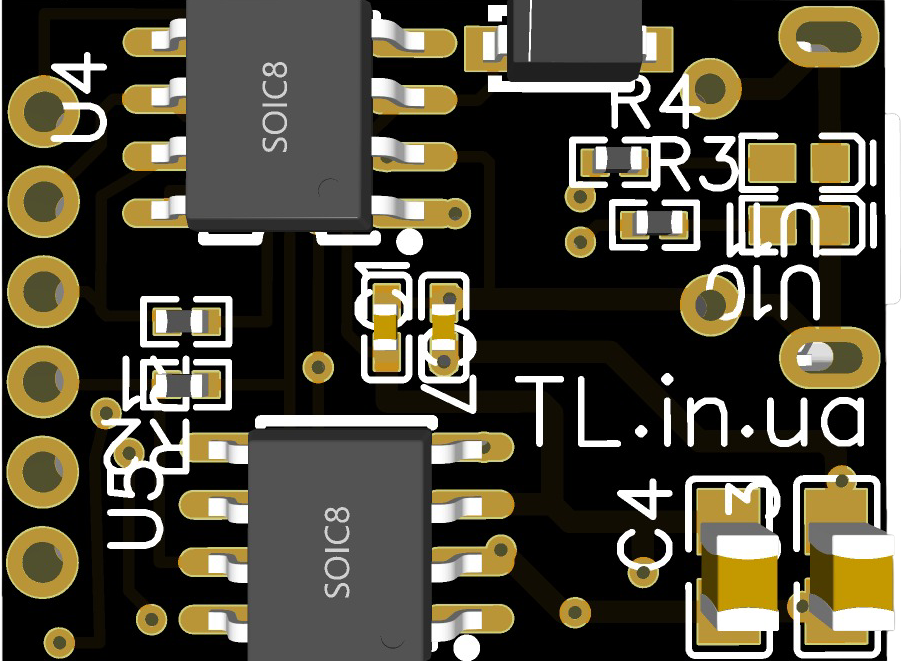
The connection and signal-conditioning stage for the vehicle data network.
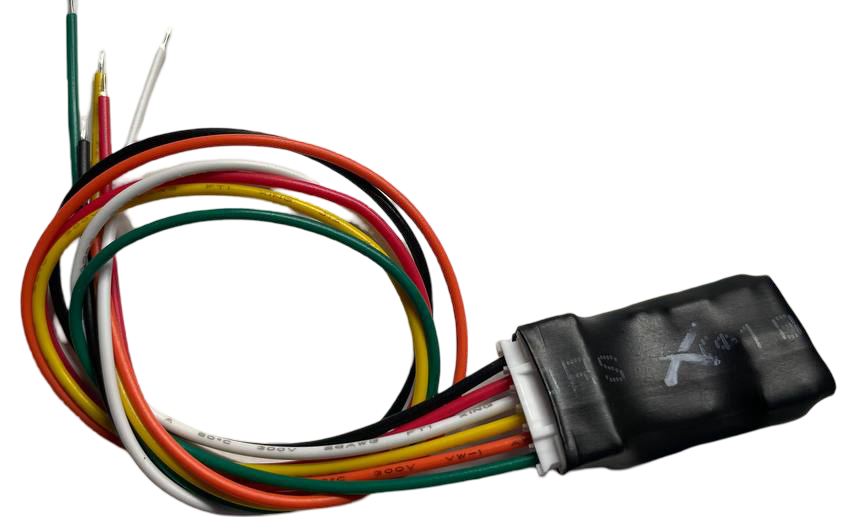
A ready-to-install assembly for professional vehicle integration.
Real examples of careful CAN Filter installation on original vehicle circuit boards.
An example of Toyota climate-data adaptation: temperature displayed in °C on a compatible specification.
An example of Lexus climate-data adaptation: the temperature display changed from °F to °C.
An example involving Toyota LED lighting and related CAN signals. The wiring depends on the specification.
An example of telematics and factory SOS-system adaptation for a compatible Mazda configuration.
An example of correct adaptive-front-lighting AFS module integration into a Mazda CAN network.
An example of diagnosing Mazda key or immobiliser errors related to CAN data exchange.
To check compatibility, send the VIN and a photo of the multimedia or instrument-cluster information screen.
Check compatibilityTechnoLine installs and configures CAN Filter solutions in Kyiv after checking the vehicle’s electronic architecture. We do not guess the connection point: first we confirm the VIN, year, market, specification and task, then check the wiring information and run diagnostics.
We confirm the vehicle, control-unit versions and intended result before installation.
The technician follows the exact vehicle specification and checks CAN‑H, CAN‑L and power.
After connection, we scan the modules, check for faults and verify the relevant factory functions.
Clear answers about compatibility, connection points and post-installation checks.
CAN Filter is an electronic solution for controlled processing of selected messages on a vehicle’s digital CAN network. The exact task and suitability are determined after vehicle diagnostics.
The connection point depends on the make, model, year, market and installed control units. The technician identifies the correct CAN-network segment from wiring information and diagnostics instead of using one universal point for every vehicle.
We assess solutions for Toyota, Lexus, Mazda and other makes. Compatibility is confirmed only after we receive the VIN, model year and equipment information.
After installation, we run a diagnostic scan, verify communication between control units, check for new faults and test the factory functions related to the installed solution.
Send the make, model, year and VIN. We will confirm compatibility, the connection method and pricing before your visit.